
Keep your resolutions this time.
Most resolutions fail by February, not because you lack willpower, but because you started with ten of them at once. This year, pick one keystone habit, shrink it to two minutes, and track it on paper. That is the whole method, and it is why it works.
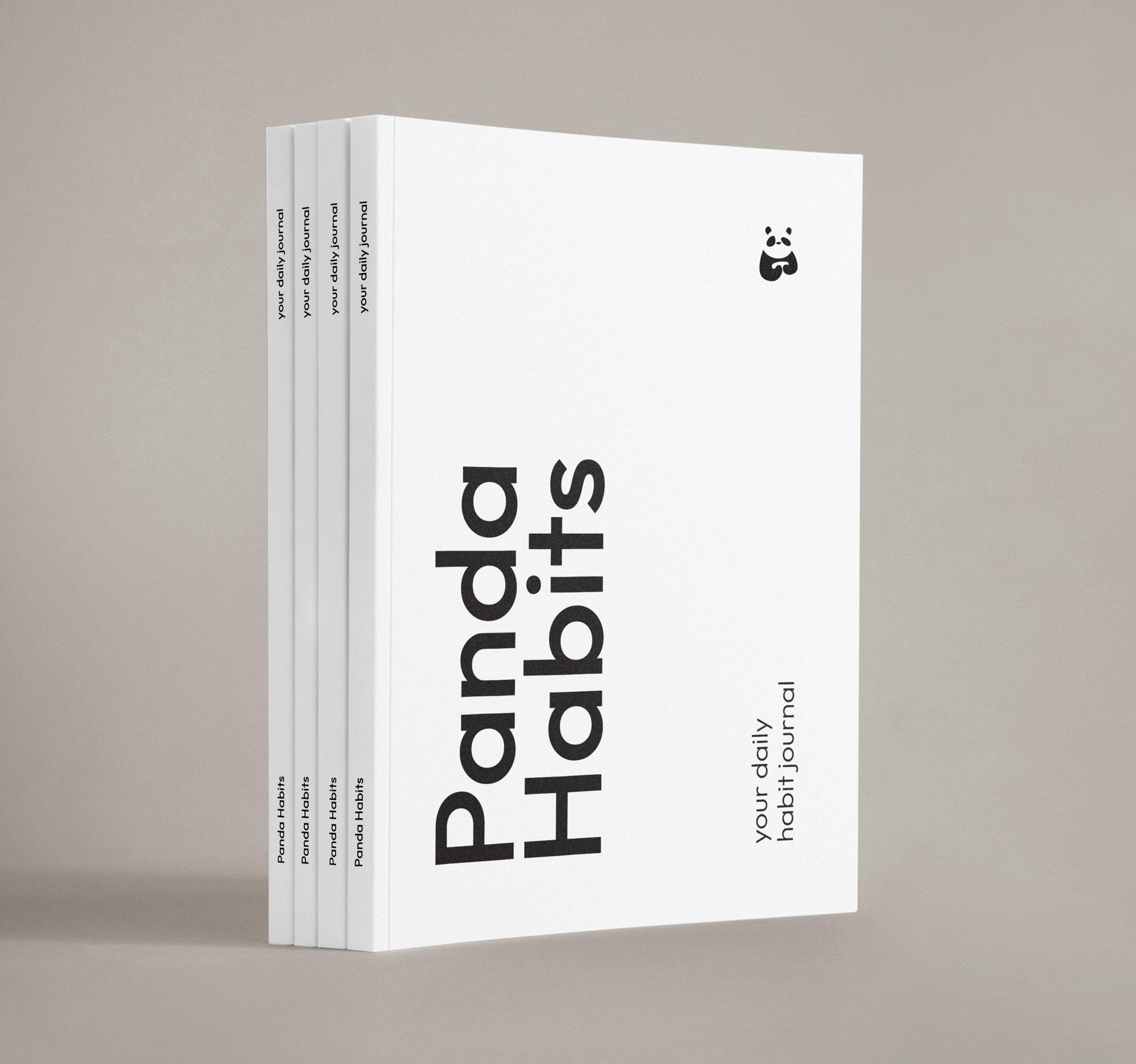
To keep a New Year resolution, choose one keystone habit instead of many, shrink it to a two-minute daily action, anchor it to an existing routine, and track it somewhere visible like a paper journal. Consistency and a quick recovery after a missed day matter far more than motivation.
Why do most New Year resolutions fail?
Because they are too big, too many, and built on January motivation that fades. The first missed day feels like failure, and failure feels like permission to quit. The structural reasons are worth knowing, since each has a fix: see why you quit habits.
What should you do instead?
Pick one keystone habit and make the first version almost embarrassingly small. Anchor it to something you already do, track it on paper, and follow one rule: never miss twice. If you slip, here is how to restart without the guilt spiral.
- One resolution, not ten. Choose your keystone habit.
- Shrink it with the 2-minute rule.
- Track it on paper, where nothing competes for your attention.
How long until it becomes automatic?
About 66 days on average, per a 2009 University College London study, not the mythical 21. A 90-day undated journal covers that with room to spare, and a single missed day does not reset your progress.
Frequently asked questions
- Why do New Year resolutions fail?
- They tend to be too big, too many, and dependent on early motivation. When the first busy day arrives, the habit feels heavy and skipping it feels reasonable.
- How do I actually keep a resolution?
- Pick one keystone habit, shrink it to a two-minute daily action, anchor it to an existing routine, and track it on paper. Follow the rule: never miss twice.
- How many resolutions should I make?
- One. Concentrating on a single keystone habit gives it enough attention to stick, and its ripple effects tend to improve other areas anyway.
- Does missing a day ruin it?
- No. A UCL study found a single missed day has no measurable effect on habit formation. The danger is quitting after the miss, not the miss itself.
- How long until the habit sticks?
- Around 66 days on average, though simpler habits form faster. A 90-day journal gives you comfortable margin.
- Why paper instead of an app?
- A paper journal carries no notifications and keeps the habit off the device that hosts your distractions, so it is easier to stay consistent.
Make this the year one habit sticks
One keystone habit, two minutes a day, on paper. Ships worldwide with a 30-day guarantee.
Start with the Journal · €25